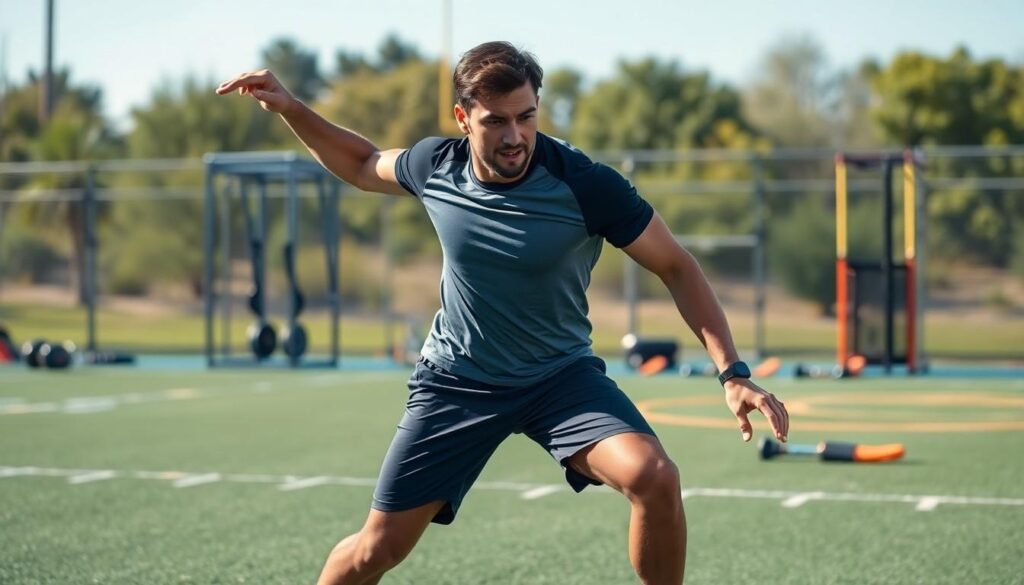
In a world where couch surfing and snack attacks reign supreme, tactical fitness emerges as the superhero we didn’t know we needed. It’s not just about lifting weights or running marathons; it’s about honing skills that could help anyone tackle life’s unexpected challenges—like chasing down the ice cream truck or outrunning that one friend who always steals the last slice of pizza.
Understanding Tactical Fitness
Tactical fitness represents the ability to respond effectively to a range of real-life scenarios. This skill set not only focuses on physical strength but also emphasizes mental agility and adaptability.
Definition and Importance
Tactical fitness refers to a fitness approach designed for real-life challenges individuals might face. It encompasses agility, strength, endurance, and mental resilience. Preparing for unpredictable situations enhances overall capabilities. By developing these attributes, individuals foster confidence in their ability to manage emergencies or everyday obstacles. Tactical fitness proves essential in numerous contexts, from military readiness to everyday problem-solving, thus promoting self-reliance and decision-making.
Key Components of Tactical Fitness
Key components of tactical fitness include strength, endurance, agility, and flexibility. Developing strength ensures individuals can handle physically demanding tasks. Endurance contributes to sustained performance during extended activities. Agility helps in quickly navigating through obstacle courses or adapting to fast-changing environments. Flexibility prevents injuries and promotes mobility, aiding in overall physical performance. Each component plays a crucial role in creating a well-rounded fitness routine, preparing individuals not only for physical tasks but also for mental challenges encountered in various situations.
Benefits of Tactical Fitness

Tactical fitness provides numerous advantages, impacting both physical ability and mental strength in everyday situations.
Physical Advantages
Enhanced fitness levels improve overall health and performance. Strength training boosts muscle power, while endurance exercises increase stamina for prolonged activities. Agility training allows for quick, coordinated movements, essential when navigating obstacles. Flexibility exercises reduce the risk of injuries by promoting a full range of motion. Engaging in tactical fitness builds a resilient body equipped for demanding tasks, making everyday activities more manageable.
Mental Resilience
Mental toughness develops through tactical fitness, shaping how individuals react under pressure. Training encourages problem-solving skills, essential for overcoming challenges efficiently. Increased confidence emerges from mastering difficult physical tasks, leading to a proactive mindset. Adaptability grows as practitioners learn to approach unexpected situations with agility and composure. Overall, tactical fitness not only strengthens the body but also fortifies the mind, proving invaluable in both crisis management and daily challenges.
Training Regimens for Tactical Fitness
Training regimens for tactical fitness focus on developing physical and mental capabilities essential for everyday challenges. It emphasizes building strength, endurance, agility, and flexibility.
Strength and Conditioning
Strength and conditioning workouts form the foundation of tactical fitness. Incorporating compound exercises like squats, deadlifts, and bench presses enhances overall muscle power. Resistance training with free weights or bodyweight promotes functional strength critical for real-world scenarios. Additionally, incorporating core exercises like planks or rotational movements supports stability and posture. Proper recovery through rest and nutrition maintains performance and fosters muscle growth, crucial for sustaining energy levels during demanding tasks.
Endurance and Agility Training
Endurance and agility training play a significant role in tactical fitness. High-intensity interval training (HIIT) sessions improve cardiovascular endurance while promoting quick recovery times. Incorporating plyometric drills, such as box jumps and burpees, enhances explosiveness and agility. Sprinting drills sharpen reaction times and facilitate rapid direction changes, crucial for navigating obstacles. Regularly assessing performance through timed runs or agility courses tracks progress and motivates improvement, leading to greater preparedness for unexpected challenges.
Tactical Fitness and Different Professions
Tactical fitness proves essential across various professions, especially those requiring high physical demands and mental acuity. The following sections outline how tactical fitness applies to military personnel, law enforcement, firefighters, and first responders.
Military and Law Enforcement
Military and law enforcement roles demand peak physical condition and quick decision-making under pressure. Tactical fitness equips personnel with the strength to carry heavy gear and the endurance to sustain operations in challenging environments. Agility plays a pivotal role in navigating uneven terrain while maintaining situational awareness. Specific training regimens include load-bearing exercises and scenario-based drills that simulate real-life challenges. Consistent fitness assessments track progress, ensuring readiness for unexpected situations.
Firefighters and First Responders
Firefighters and first responders face unique challenges requiring specialized fitness regimens. Strength is crucial for handling hoses, lifting equipment, and breaking through barriers. Endurance is equally important, as these professionals often work in high-stress environments for extended periods. Flexibility and agility enhance movement in tight spaces during emergencies. Cardiovascular conditioning prepares responders for rapid response times. Structured training programs incorporate high-intensity workouts, endurance drills, and flexibility exercises. Regular evaluations enable them to maintain optimal performance levels, ensuring readiness for any emergency.
Common Mistakes in Tactical Fitness Training
Tactical fitness training often includes several common pitfalls that can hinder performance and adaptation.
Lack of Proper Assessment
Participants frequently overlook the significance of regular assessments in tactical fitness. Without proper evaluation, individuals miss critical insights into their physical capabilities and areas needing improvement. Tracking progress through performance metrics fosters accountability and motivation. For instance, timed runs and obstacle courses provide concrete data on endurance and agility. Integrating these assessments into training regimens ensures individuals remain aware of their strengths and weaknesses. Ignoring this step can lead to stagnation in performance and hinder the development of essential skills required for tactical situations.
Overtraining Risks
Overtraining presents a serious danger for those committed to tactical fitness. Individuals often push beyond their limits, leading to fatigue, injury, and diminished performance. Signs of overtraining include persistent soreness, irritability, and declining motivation. Balancing training sessions with adequate rest periods protects physical and mental health. Phased approaches that incorporate recovery days prevent burnout and enhance long-term progress. Prioritizing rest enables a more sustainable training journey, ensuring continuous improvement in strength and endurance, which are crucial for tactical scenarios.
Tactical fitness is more than just a workout routine; it’s a comprehensive approach to preparing for life’s unpredictable moments. By blending physical strength with mental resilience individuals can enhance their ability to tackle challenges head-on. This multifaceted training not only improves overall health but also cultivates a mindset geared towards adaptability and problem-solving.
Embracing tactical fitness empowers people in various professions to maintain peak performance under pressure. The right training regimens foster the essential skills needed for effective crisis management. As individuals commit to continuous improvement and balanced training, they position themselves for success in both everyday situations and high-stakes environments. Ultimately, tactical fitness leads to a more confident and capable individual ready to face whatever life throws their way.